Houston, TX, is known for its diverse climate — sweltering summers, unpredictable winters, and high humidity that can make the air feel heavier than it actually is. For homeowners in this region, finding a heating and cooling solution that is both efficient and flexible can be challenging. Traditional HVAC systems can sometimes be bulky, inefficient, or difficult to install in older or uniquely designed homes. This is where mini split systems shine as a modern, adaptable option that delivers both comfort and control. In this guide, we will explore everything you need to know about mini split systems, including how they work, their advantages, installation considerations, maintenance tips, and why they are an excellent choice for Houston homeowners.
What is a Mini Split System?
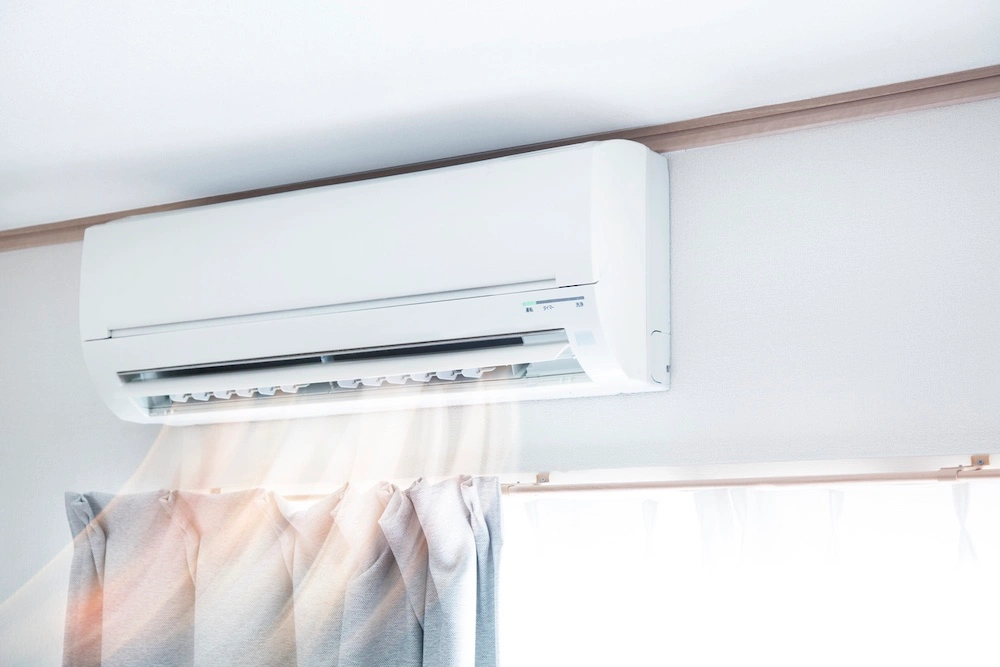
A mini split system, also known as a ductless HVAC system, is a versatile heating and cooling solution designed for individual rooms or zones within a home. Unlike traditional central air systems that rely on extensive ductwork to distribute air, mini splits use a small outdoor unit paired with one or more indoor air-handling units. This design allows homeowners to control the temperature of specific areas without affecting the entire home.
Mini split systems are often composed of two main components: the outdoor compressor/condenser and one or more indoor units. These components are connected by refrigerant lines and electrical wiring, eliminating the need for traditional ductwork. The indoor units can be mounted on walls, ceilings, or even recessed into the floor, making them highly adaptable to a variety of spaces.
How Do Mini Split Systems Work?
Mini split systems operate on the same basic principles as traditional air conditioners and heat pumps but with added flexibility. The outdoor unit compresses refrigerant and pumps it to the indoor unit, which then distributes cooled or heated air directly into the room. Many mini split systems also feature advanced inverter technology, allowing the compressor to adjust its speed based on the home’s heating and cooling needs, which can improve energy efficiency and maintain a more consistent temperature.
Unlike standard HVAC systems, which can lose up to 30% of energy through ductwork, mini splits deliver air directly to each zone, minimizing energy waste. This direct approach not only improves efficiency but also allows for individualized climate control in different rooms. For example, a Houston homeowner could keep a living room cool during a hot afternoon while maintaining a slightly warmer temperature in bedrooms.
Advantages of Mini Split Systems for Houston Homes
Mini split systems offer several benefits that make them an attractive choice for homeowners in Houston:
Energy Efficiency
Because mini splits operate without ducts and can heat or cool only the areas being used, they typically consume less energy than traditional systems. According to the U.S. Department of Energy, duct losses in traditional systems can reduce overall efficiency by 20–30%, a problem virtually eliminated by ductless mini splits. Many mini splits also feature high Seasonal Energy Efficiency Ratio (SEER) ratings, meaning they can provide significant savings on electricity bills over time.
Flexible Installation
Houston homes vary widely in architecture and design, from modern townhomes to older, historic properties. Mini split systems can be installed in homes without existing ductwork, making them ideal for retrofits or room additions. The compact size of the indoor units also allows them to fit into spaces where larger HVAC systems would be impractical.
Individual Zone Control
One of the greatest advantages of mini splits is the ability to create separate temperature zones. Each indoor unit has its own thermostat, giving homeowners full control over the temperature in each room. This feature is particularly useful in homes with multiple family members, different activity levels, or varying preferences for comfort.
Quiet Operation
Unlike traditional HVAC systems, which can produce noticeable noise from large air handlers and ductwork, mini split units operate quietly. Indoor units often produce sound levels as low as 19 decibels, making them ideal for bedrooms, offices, or media rooms where a peaceful environment is essential.
Improved Indoor Air Quality
Mini splits include high-efficiency filters that help remove dust, pollen, and other airborne particles. Because they do not rely on ductwork, there is less opportunity for dust and debris to circulate throughout the home, which can be a significant advantage for individuals with allergies or respiratory concerns.
Considerations Before Installing a Mini Split System
Before deciding to install a mini split system, there are several factors Houston homeowners should consider:
Number of Indoor Units
The number of indoor units needed depends on the size of the home and the number of zones you want to control. Single-zone systems are suitable for smaller areas, while multi-zone systems can provide individualized climate control throughout larger homes.
Placement of Units
Indoor units should be strategically placed for optimal air distribution. While wall-mounted units are most common, ceiling and floor-mounted units are also available for spaces with unique layouts or aesthetic preferences.
Professional Installation
While mini splits are versatile and compact, professional installation is critical to ensure proper refrigerant handling, electrical connections, and system calibration. Incorrect installation can lead to reduced efficiency, higher energy costs, and potential system damage.
Maintenance Requirements
Like any HVAC system, mini splits require regular maintenance to operate at peak performance. This includes cleaning or replacing filters, checking refrigerant levels, inspecting electrical components, and ensuring outdoor units are free from debris. Regular maintenance helps extend the lifespan of the system and maintain energy efficiency.
Energy Efficiency and Cost Benefits
Mini split systems offer measurable cost savings and efficiency benefits for Houston homeowners:
- Reduced Energy Bills: With ductless technology, mini splits avoid the energy losses associated with ductwork. Studies have shown that homeowners can save 30% or more on heating and cooling costs compared to traditional systems.
- Smart Thermostat Options: Many mini splits can be paired with smart thermostats or remote controls, enabling homeowners to optimize energy use based on daily schedules and occupancy patterns.
- Longevity: Mini splits are designed for durability, with many systems lasting 15–20 years when properly maintained. This longevity reduces the need for frequent replacements and contributes to long-term cost savings.
Common Applications in Houston Homes
Mini split systems are not just for new construction. They are well-suited for a variety of applications, including:
- Room Additions: Adding a new bedroom, office, or sunroom without the need for extensive ductwork.
- Historic Homes: Older homes often lack ductwork, making mini splits a practical solution that preserves architectural integrity.
- Apartments and Condos: Multi-unit buildings often have limitations on ductwork installation, making mini splits a flexible and efficient option.
- Supplemental Heating/Cooling: Mini splits can complement existing HVAC systems by providing additional comfort in specific rooms.
Choosing the Right Mini Split System
Selecting the appropriate mini split system involves several considerations:
- Capacity: Measured in British Thermal Units (BTUs), the system’s capacity should match the size of the space it will serve. Oversized or undersized systems can lead to inefficiency and discomfort.
- Efficiency Rating: Look for high SEER and Heating Seasonal Performance Factor (HSPF) ratings to maximize energy savings.
- Features: Many systems offer features such as programmable schedules, Wi-Fi control, and advanced filtration, which can enhance convenience and indoor air quality.
- Brand Reputation: Choose reputable brands known for reliability and support, as this ensures access to quality components and service if needed.
Maintenance Tips for Long-Term Performance
To ensure a mini split system performs efficiently and reliably, homeowners should follow these maintenance tips:
- Clean Filters Regularly: Most indoor units have washable filters that should be cleaned every 2–4 weeks, depending on usage.
- Inspect Outdoor Units: Keep outdoor units free from debris, leaves, and vegetation to ensure proper airflow and prevent system strain.
- Professional Checkups: Schedule annual maintenance with a licensed HVAC professional to inspect refrigerant levels, electrical components, and overall system health.
- Monitor Performance: Pay attention to changes in cooling or heating performance, unusual noises, or increased energy bills, which may indicate the need for service.
Environmental Impact and Sustainability
Mini split systems are not only efficient but also environmentally friendly. Because they use less energy, they contribute to lower greenhouse gas emissions. Many modern mini splits utilize eco-friendly refrigerants that have lower global warming potential compared to traditional HVAC systems. For Houston homeowners who value sustainability, mini splits offer a practical way to reduce the environmental footprint of their heating and cooling.
Frequently Asked Questions About Mini Split Systems
How long does a mini split system last?
With proper maintenance, most mini split systems can last between 15 and 20 years, providing reliable comfort for decades.
Can a mini split cool multiple rooms?
Yes, multi-zone mini split systems can control several indoor units, each serving a different room or area, offering individual climate control.
Are mini splits noisy?
No, mini split systems are known for their quiet operation. Indoor units typically operate at low decibel levels, making them suitable for bedrooms and living spaces.
Can mini splits replace central air?
In many cases, mini splits can replace central air, particularly in homes without ductwork or in situations where zoning control is desired.
How energy efficient are mini splits?
Mini splits are highly efficient, often exceeding SEER ratings of traditional central air systems. By delivering air directly to specific zones, they reduce energy waste and lower utility bills.
For Mini-Split Services in Houston, TX, Contact Bazil Air Conditioning and Heating Today
If you’re considering a mini split system for your Houston home, Bazil Air Conditioning and Heating offers the expertise, guidance, and professional installation needed to ensure optimal performance. Our team can help you select the right system for your home’s unique layout, provide precise installation, and offer ongoing maintenance to keep your system running efficiently for years to come. Trust Bazil Air Conditioning and Heating for a flexible, reliable, and energy-efficient solution that keeps your home comfortable no matter the temperature outside.